


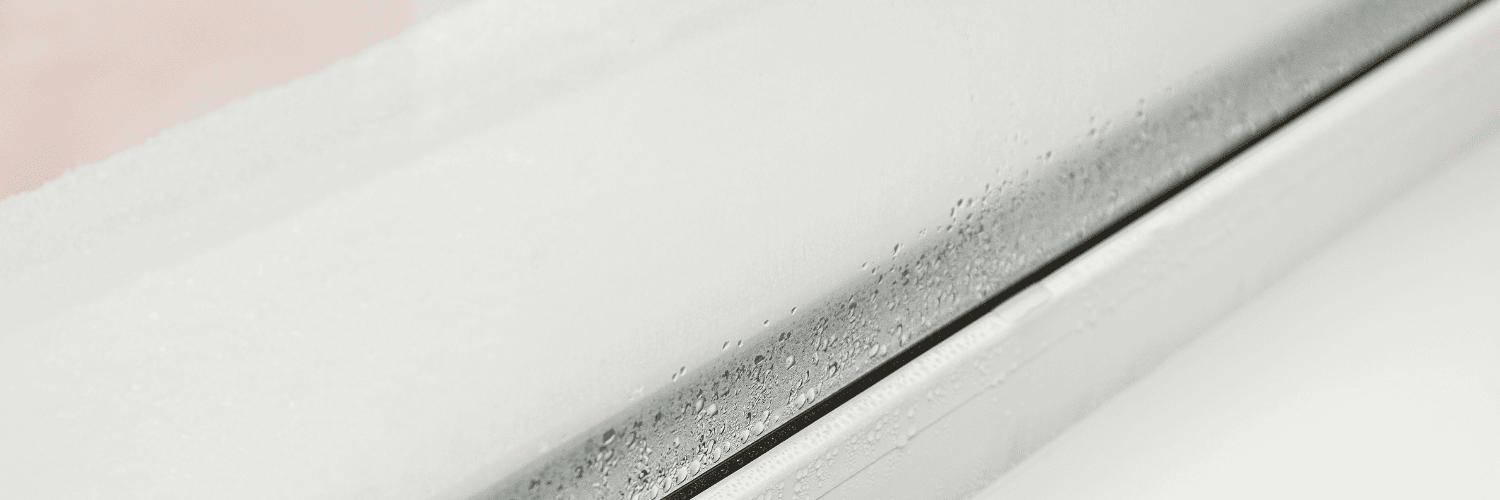
Window Condensation

Understanding Window Condensation
Condensation occurs when warm, moisture-filled air comes into contact with a cooler surface, such as window glass, causing water droplets to form.
This can happen on any cool surface in your home, not just windows.
Common Questions About Window Condensation

Why are my windows sweating?
Condensation is a natural result of humidity in your home, not a defect in your windows. Today’s Home Guard windows are engineered for maximum energy efficiency and performance. With features like:
- Advanced Conservision insulated glass systems
- Tight, weather-resistant seals
- Reduced air infiltration
Unlike older windows that allowed air to leak in and out, modern windows trap conditioned air and the moisture within it inside your home. This means condensation may be more visible, but it also means your windows are performing as intended.
Is condensation a defect?
Condensation is caused by excess humidity in the air, not by the window itself.
Everyday activities naturally add moisture into your home, including:
- Cooking and boiling water
- Showers and baths
- Dishwashers and laundry
- Normal breathing and living
- Humidifiers
- New construction materials drying out
When the air becomes saturated and cannot hold additional moisture, it releases it onto cooler surfaces like glass.
Types of condensation
Interior Condensation
- Appears on the inside surface of the glass
- Caused by high indoor humidity
- Most common in winter
Exterior Condensation
- Appears on the outside of the glass
- Typically occurs in the early morning
- A sign of high-performance insulated glass
Between the Glass Panes
- Not normal
- May indicate a seal failure
- Covered under the Home Guard warranty
How to control condensation
The key to reducing condensation is managing indoor humidity levels.
We recommend:
- Using exhaust fans while cooking or bathing
- Running a dehumidifier if needed
- Keeping blinds and curtains slightly open for airflow
- Venting appliances to the outside
- Monitoring humidity with a hygrometer
- Maintaining indoor humidity between 30% and 50%




